
Footprints
The Silent Trace of Survival and the Art of Healing the Human Heart

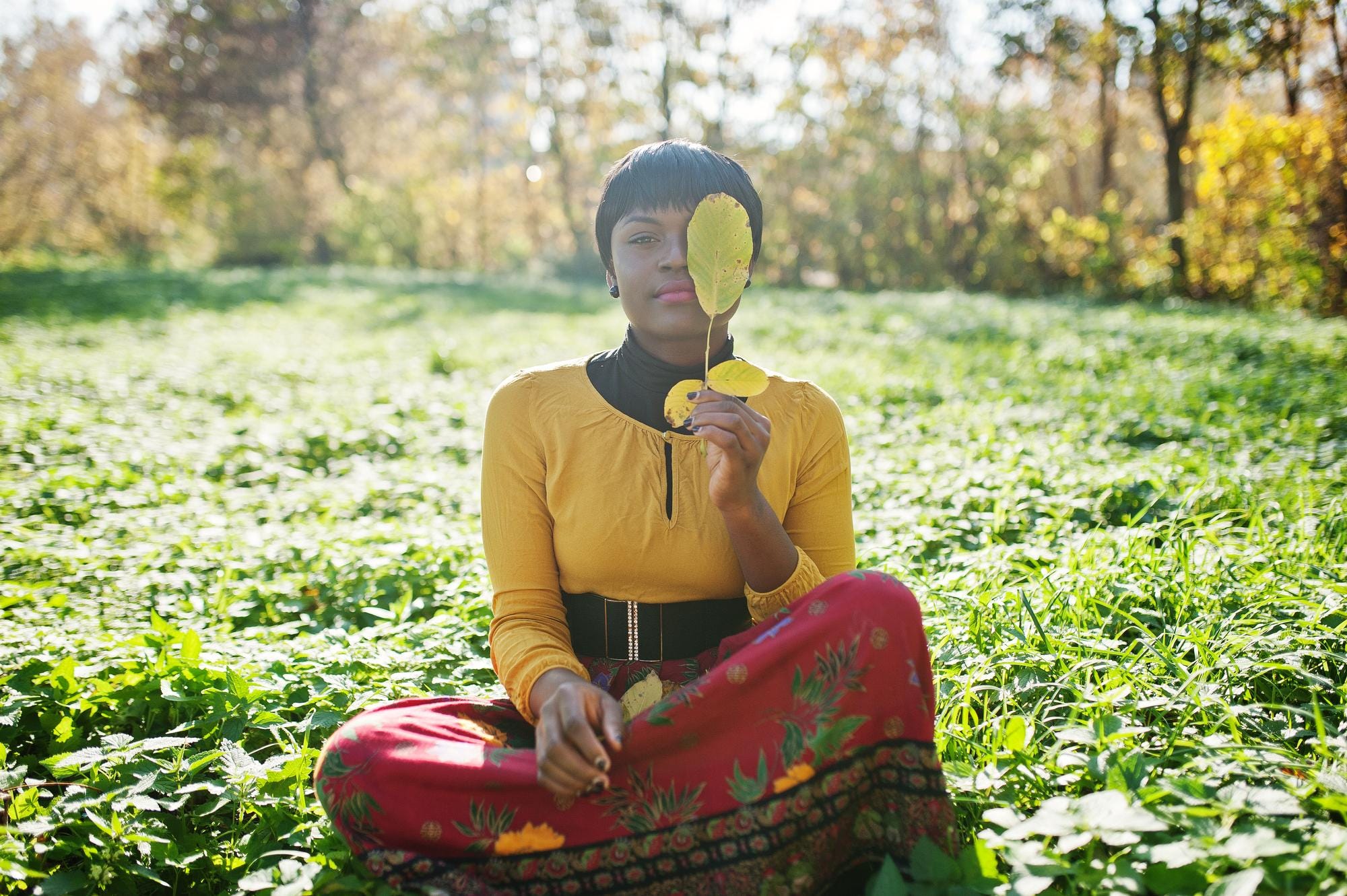
The African environmental artist Abena, whose name meant “born on Tuesday,” had survived countless hardships of the very worst kind. Nor was life easy now. But she had carved out a worldwide reputation with her wilderness photography, a love that never wavered.
She had come to this high plateau, where hungry animals still roamed, to photograph and memorialize the last of the dwarf antelope called Jentink’s duiker, antelopes that were on the verge of extinction.
She had come prepared to spend weeks in the wild. She came alone, as she always did, trekking with her gear miles from where it was possible to park to where she meant to set up camp. She was up at dawn every day, as she loved dawn and as that was the best time to see the antelope.
Several months later, her show, called “Footprints,” opened in a fine London gallery. The photographs were stark and gripping. In each of them, you never saw the animal, only its footprints. And only in black-and-white. The effect was rather miraculous.
At the opening, the gallery owner said, “The show is a great success already. Your charity will see a nice payday!” He couldn’t help but add, “But, of course, you won’t save a single antelope.”
“This has nothing to do with saving a particular species,” Abena replied.
Surprised, the gallery owner said, “Then what does it have to do with?”
“The heart. You’ve heard of heart failure? This is the opposite.”
It was clear that the gallery owner did not understand. He praised her a bit more and hurried off.
An elderly woman approached Abena.
“I overheard you,” she said. “I understand completely. When my husband died, I died. My heart failed. But then, quite by accident, I came upon one of your books of photographs, the one called ‘Night.’ I can’t put into words what it did for me, but I am not dead now. I live, I try to be of help, and I’m happy.”
Abena nodded.
“By the way,” the woman said, “I’m rich. My husband made a lot of money in some awful ways. He harmed the world. But I loved him. It’s not … I can’t make amends. This isn’t a guilt transaction. But I do intend to contribute a lot of money to your charity.”
Abena held out her hand. They shook hands.
“We humans don’t leave footprints in London galleries,” Abena said, “like animals do in the wild. We don’t leave footprints anywhere, anymore, except in the villages. Maybe life would be different if we did leave footprints. If we saw … ”
She left her thought hanging. A new series was coming to her. She stared into the far distance. The woman, seeing her deep in thought, quietly slipped away.
GET YOUR COPY TODAY!
Beautiful piece. What stands out is how Abena reframes her work from preservation to heart-restoration. The gallery owner misses it completely, but the widow gets it immediatley. I've found the same thing with photographs of empty spaces, they somtimes carry more weight than crowded ones. There's something about absence that makes us feel presence more deeply.