
Normalizing Uncertainty
Why Uncertainty Is Not a Flaw, But the Fundamental Condition of Being Human

Uncertainty is not some modern affliction, nor is it a sign of personal failure. It is, and always has been, a fundamental part of what it means to be human. From ancient times to the present, human beings have had to navigate the unpredictable, the ambiguous, and the unknowable.
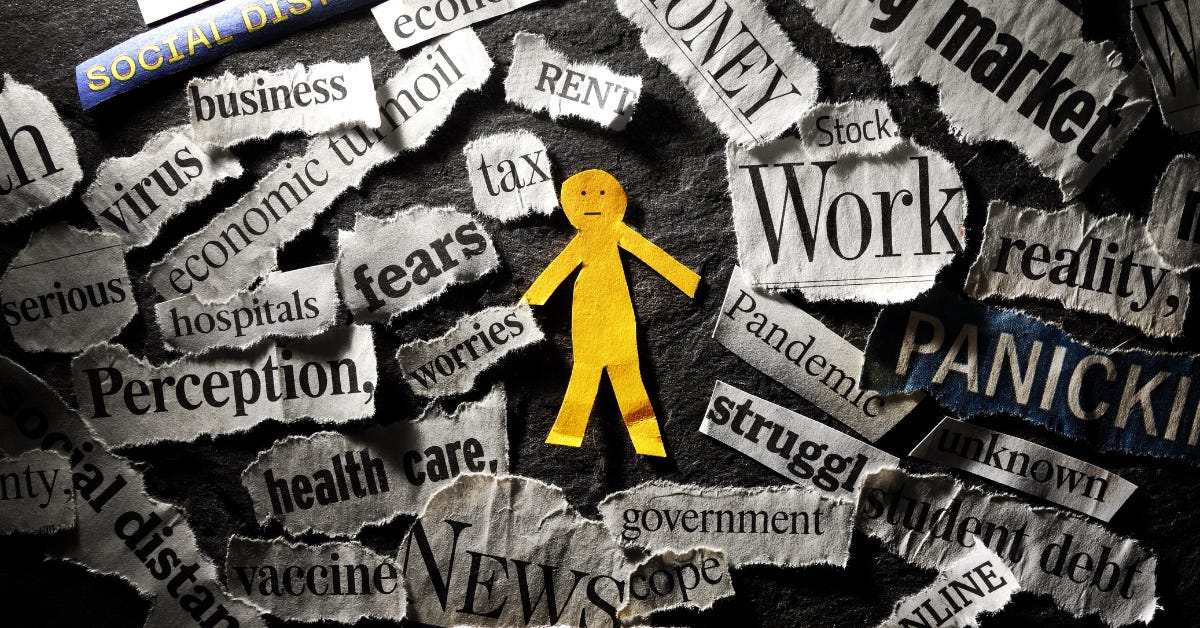
By normalizing uncertainty and by treating it as a given in life, we recognize a truth that philosophers, theologians, scientists, and poets have long accepted: that we live in a world where not everything can be known or controlled.
Socrates, often regarded as the father of Western philosophy, famously declared that his wisdom lay in knowing that he knew nothing. This was not self-deprecation but an existential insight: to be human is to stand on shifting ground, constantly aware of how limited our knowledge is.
Of course, it isn’t that we know nothing. But we know so very much less than we wish we knew … and so very much less than we need to know in order to make fully-informed decisions. That means that all of our decisions, including the most important ones, are going to be edged with anxiety: the anxiety of not really being able to feel certain that we made the right one.
Psychologically and culturally, the modern world has often tried to suppress uncertainty by pursuing control—through technology, data, or productivity. But such efforts can backfire, leaving individuals feeling anxious when life fails to conform to expectations. In contrast, existentialist thinkers like Jean-Paul Sartre and Simone de Beauvoir encouraged a confrontation with uncertainty. To them, the lack of fixed meaning was not a problem to be solved, but a condition to be accepted—and even embraced—as the starting point for freedom and authentic living.
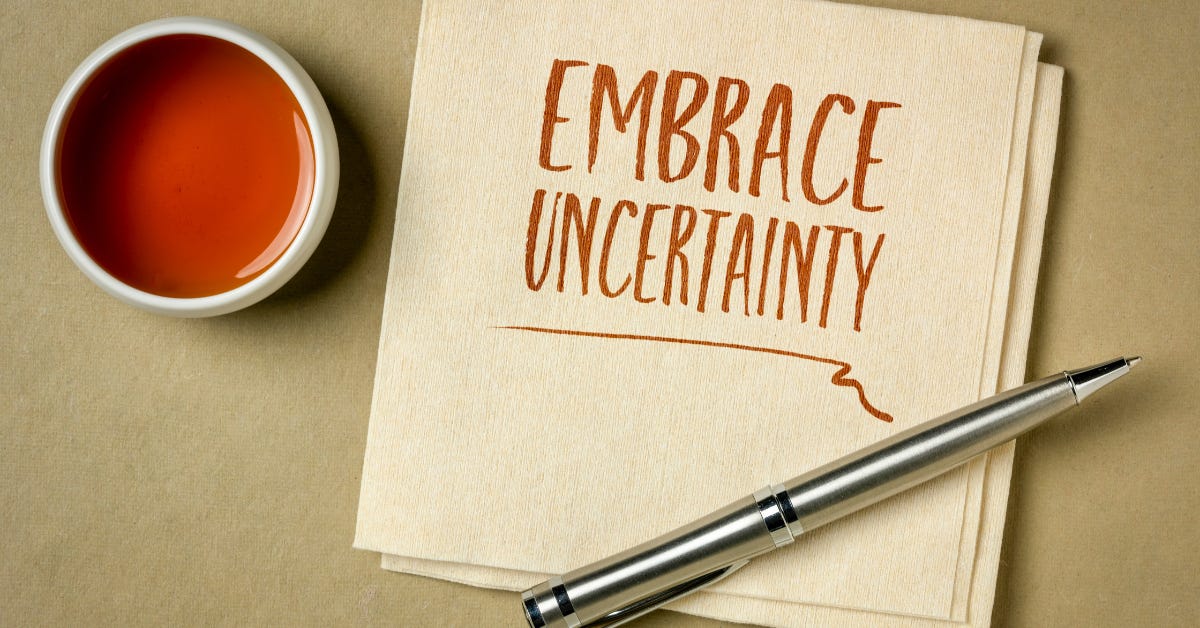
Normalizing uncertainty allows us to shift from a stance of fear to one of curiosity. Instead of interpreting ambiguity as failure, we can view it as an invitation to grow, reflect, and adapt. This is especially relevant in times of global upheaval—pandemics, climate crises, political instability—when the desire for certainty can lead to rigid thinking, polarization, or denial.
By acknowledging that uncertainty is not the exception but the rule, we cultivate resilience and compassion, both for ourselves and for others. In coaching, therapy, education, and leadership, normalizing uncertainty can create safer, more humane spaces. It encourages risk-taking, creativity, and humility. It invites people to say, “I don’t know yet,” without shame, and to live with open questions rather than rushing to premature answers.
Ultimately, to normalize uncertainty is to befriend reality. Life is unpredictable. Plans change. People evolve. Systems break. And still, we can live with a sense of purpose. Will the sands shift? Yes. But that need not surprise us … or disable us.
To not know is deeply human. Yet most of us are raised in cultures that prize certainty, answers, and mastery. From childhood, we are rewarded for knowing things—correctly, quickly, and confidently. But life inevitably confronts us with situations where knowing is impossible.
The discomfort stems not only from uncertainty itself but from our attempts to resist it. When we can’t find answers, we may ruminate, obsess, catastrophize, or numb ourselves. Our nervous system activates and we are inclined to rush into premature conclusions just to escape ambiguity. But these strategies, though understandable, often compound our suffering. They are attempts to avoid a state that is not really avoidable.
The philosopher Søren Kierkegaard explored angst, the anxiety of freedom, in which we stand before infinite choices without guarantees. Jean-Paul Sartre echoed this view, portraying humans as “condemned to be free”—forced to choose in a world without fixed meaning. The consequent discomfort is real, but so is opportunity: to act, to create, to live meaningfully and purposefully despite the uncertainty.
In contemporary life, the discomfort of not knowing is exacerbated by a culture that encourages immediate answers. We have Google in our pockets, endless information at our fingertips. But not all questions have factual answers. What should I do with my life? Will this relationship last? Can I make peace with this loss? These are not problems to solve; they are mysteries to live with. And tolerating not-knowing is how we create the space to live them well.
In our coaching work, helping clients build tolerance for not knowing can be transformative. A person facing a major transition may long for clarity, but premature decisions made just to avoid uncertainty can lead to regret. Instead, we can help them develop what some psychologists call distress tolerance—the ability to stay with discomfort without reacting impulsively or destructively. This capacity opens space for reflection, insight, and eventual clarity to emerge.
In the end, tolerating the discomfort of not knowing is a skill—and like all skills, it can be practiced—and taught. It may never feel easy, but it can become more familiar, more bearable, and even a fertile ground of being. In that quiet space where answers haven’t yet formed, something else can arise: patience, humility, curiosity … and maybe a path forward.
Check out Eric Maisel’s transformative courses in collaboration with Noble Manhattan—designed to elevate your coaching journey.

Preorder Brave New Mind
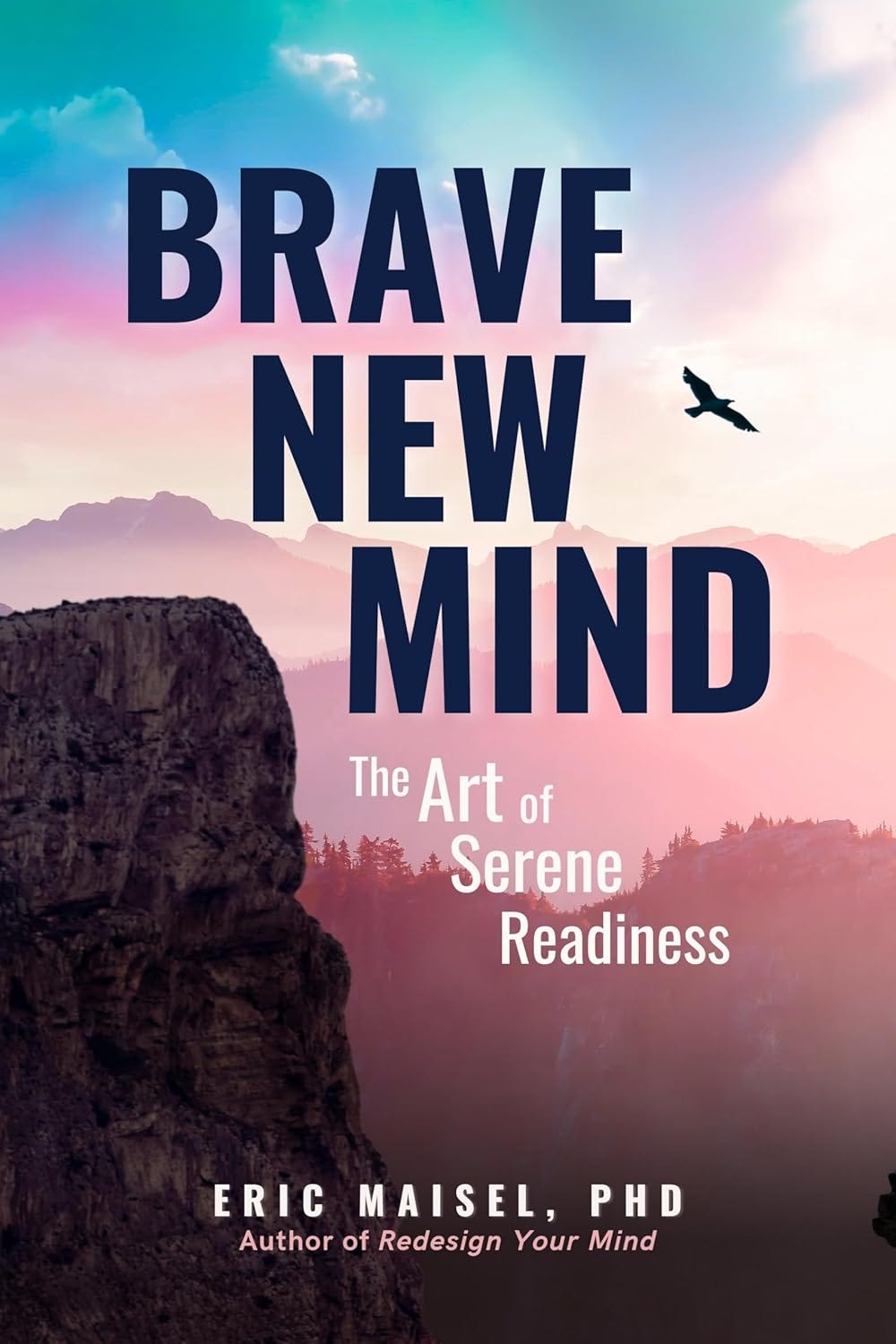
Get these wonderful gifts for preordering Brave New Mind!
Just preorder your copy (at any one of the following locations) and then grab your gift. It’s all on the honor system. Preorder, select, and enjoy!