The Joy I Have Received
A Poet's Final Act of "Ma"

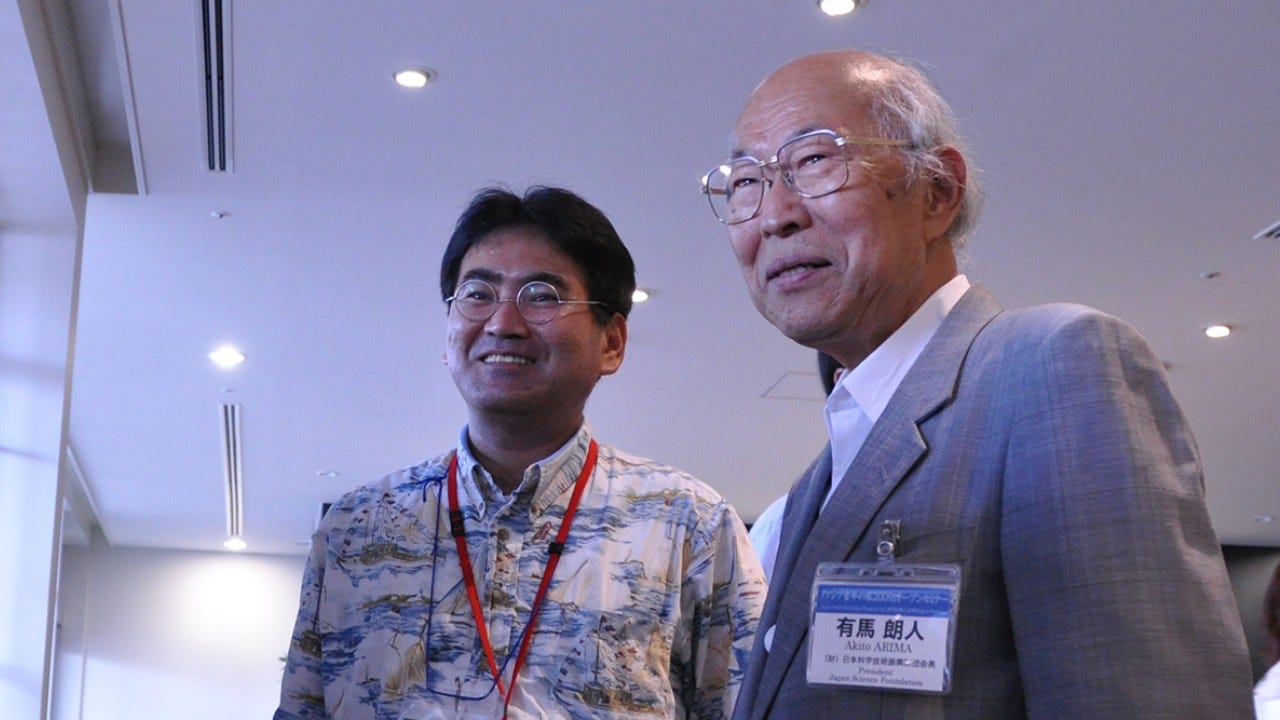
The famous Japanese poet Akito was to receive an important award on the coming Saturday. It was as important an award as an artist in Japan could receive.
The preparations to receive the award made for a lively time at the family house, as they involved travel plans to Tokyo, email and text communications with well-wishers, meal planning for their stay in the metropolis, and more. Akito remained a bit somber through it all, but everyone around him hummed and bustled.
On Friday, they arrived in Tokyo. With him were his wife, his two daughters, their husbands, his son, his son’s wife, and assorted grandchildren ranging in age from five to twenty-two. It was quite the scene, especially trying to figure out meals. But they managed, with some laughs, some tears, and some curses along the way.
On Saturday, they struggled to find ways to pass the time, as the ceremony was in the evening. Some of them went for a walk; some of them shopped; some of them went sight-seeing. Finally, they showered, got dressed, and put themselves together. Even with all that fussing and commotion, they arrived at the hall early, thanks to the organizational skills of Akito’s eldest daughter.
The ceremony was lovely. It celebrated his work, his life, and his position as a Japanese Living National Treasure. There were tears. Celebrities praised him. Ordinary fans of his poetry explained what his poems had meant to them. He had saved lives, healed hearts, fixed what was broken. The champagne flowed and his family beamed.
On Sunday, he celebrated with his family at a family breakfast. Then all the return traveling commenced. On Monday, back at his windswept island home, as far from Tokyo as one could possibly get, he sat in his protected garden, not exhausted, precisely, but something like sad and depleted.
But the mournfulness was also provocative, and he began to think that he might like to write a series of poems on the theme of “ma,” the space between things. The poems would excavate loss, silence, pauses, stillness, the essence of rain … he could feel the poems, which, while not written, already somehow existed.
On Tuesday, he began. A poem came out whole and lovely. It referenced the iterant monk and poet Basho, journeys to the north, bird songs, mist, and inevitability. He nodded. It was good. He felt that feeling he had felt many times before, of having worked honorably and well. That evening, he drank the good wine.
On Wednesday, he took his own life. His suicide note read, “The joy I have derived from this recent award and from everything good in my life has done nothing to lessen the pain I feel from living.” The world was shocked. It was very hard to understand. But there was nothing to be done—he was gone, leaving the living.
GET YOUR COPY TODAY!