The Shoot from Hell
The Brutal Reality and Polished Lies of a Hollywood Jungle Epic

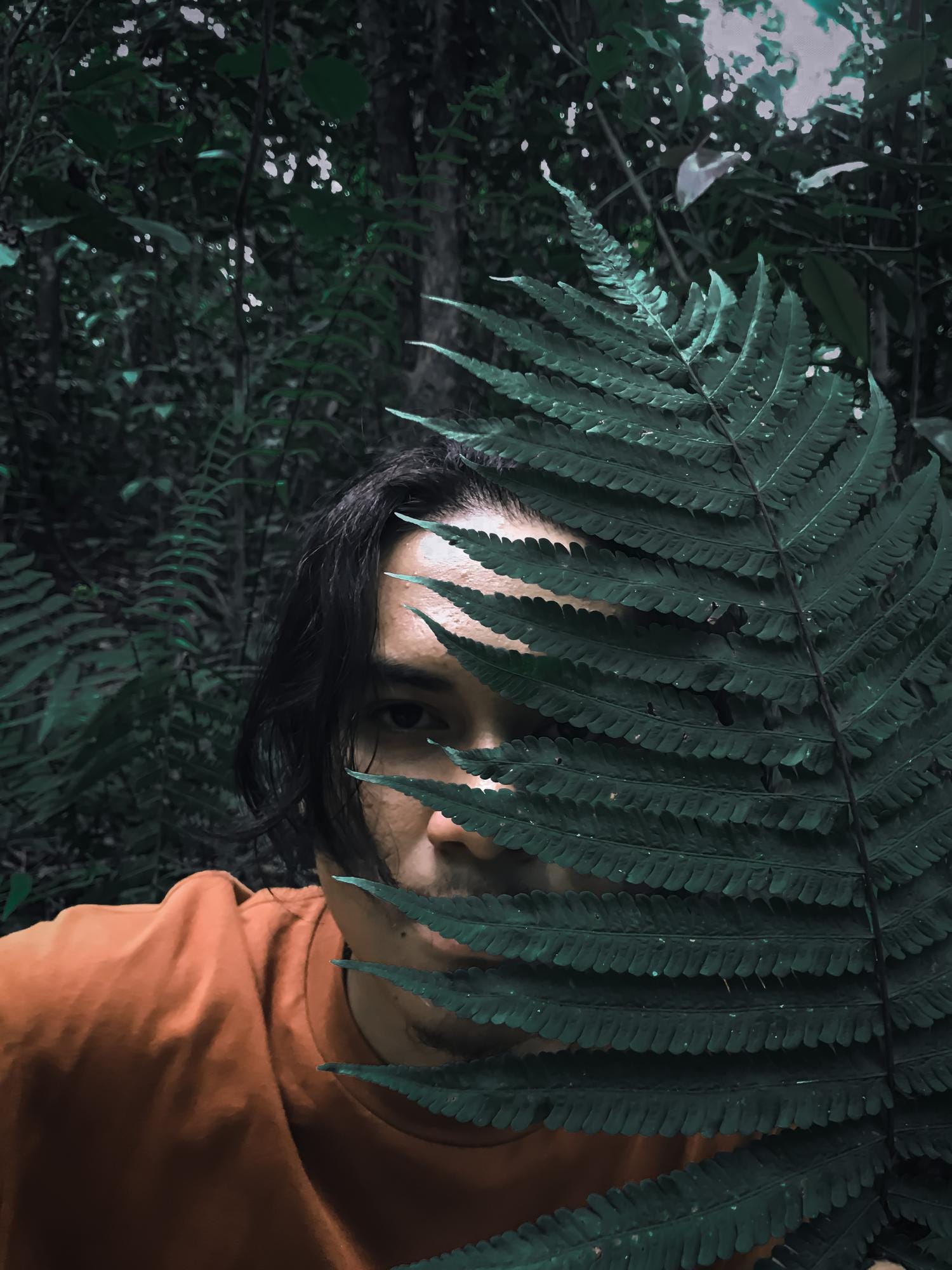
The film called for jungle locations. Which meant snakes, mosquitoes, and tarantulas. Everyone worried about malaria—and tiger attacks, which were not unheard of.
The director yelled a lot. He wanted what he wanted. Famously, he reshot one scene twenty-eight times. The actor in the scene swore at him, and the actress cried. Two crew members fainted.
The cinematographer drank a lot. As did a few others. Some drugs got passed around. Some sleeping around happened, also. Everyone in a position to get nosy got paid off, so nothing made social media.
The stars fought constantly. One day, makeup was needed to hide the leading lady’s bruises. The makeup artist was assured that she would get a bonus for keeping quiet.
A stuntman fell down a gorge. Only a few broken bones.
One day the humidity hit 98%. Cast and crew sweated through their clothes in seven minutes flat.
An army of producers arrived to oversee the swollen budget. An army of red ants sent them packing.
At the wrap party, three crew members had to be flown off by military helicopter and hospitalized.
When they got home, several of the cast reported symptoms of PTSD. Primarily night sweats and nightmares. But they kept that quiet.
On the publicity trail, no one had anything but glowing things to say about the process, the project, or the players. The film shoot, as they described it, was as harmonious a shoot as if it had been directed by Gandhi and produced by Nelson Mandela.
“It was a great experience,” the actress said of working with the director. “I learned so much from him.”
“She was great to work with,” the actor said of the actress. “Such a pro!”
They all said of the crew, “They were remarkable! Working in such difficult conditions.”
Having spent $200,000,000 on the film, they now spent another $100,000,000 on publicity. Excited, enthusiastic, flattering pieces appeared everywhere, in all the media that could be seduced, influenced, or bought. Oscar nominations were in the air.
Each interviewer, knowing that they would never get a star on their show again if they acted otherwise, passed on asking a single hardball question. Fluff filled the airwaves.
“And how did it go?” they all asked.
“It was wonderful,” everyone replied.
Somewhere in Kansas, in her bed with its window overlooking a corn field, little Marjorie was thinking to herself, “That must be heaven. I will be an actress and go on a shoot to Africa and it will be wonderful.”
She slept soundly, a smile dancing on her lips.
Now available!